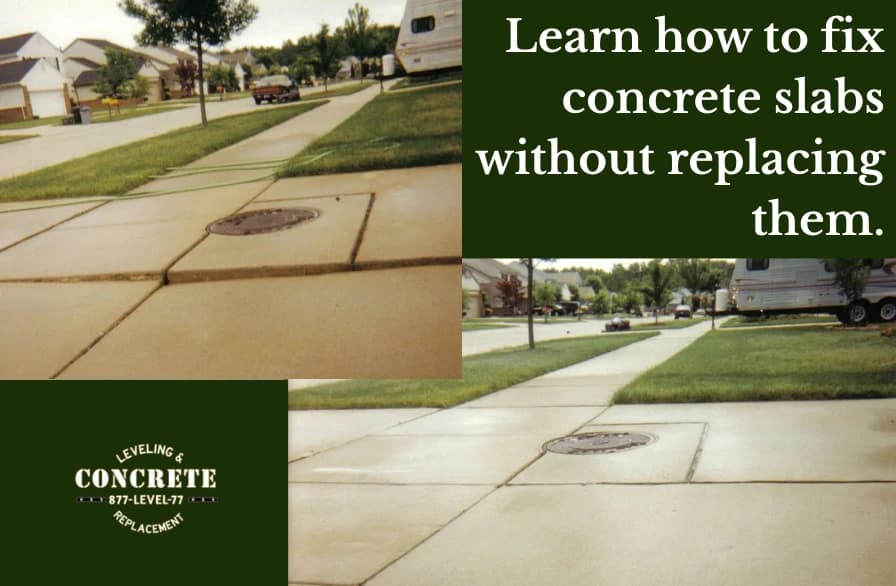
Why Concrete Slabs Sink and How to Fix Them Efficiently
Introduction: What this guide will teach you
What you'll learn
Concrete slabs can start to sink for various reasons, like soil erosion, heavy loads, or the effects of changing weather. This guide will break down why this happens and how you can fix it without having to replace the entire slab. You'll discover practical steps to protect your driveway, patio, garage floor, or pool deck. We’ll also discuss how different repair methods compare in terms of cost and durability, so you can make the best choice for your property.
Whether you own a home or manage a commercial property, understanding these issues can help you prioritize repairs and extend the life of your concrete surfaces. If you're considering professional help, local experts offer modern solutions like concrete lifting.
Why this matters to property owners
Sinking concrete isn't just a cosmetic issue—it can be dangerous. Uneven slabs can cause trips, drainage problems, and even structural damage if not addressed. Ignoring the problem can lead to more significant repairs and expenses down the line. By tackling the issue early, you can save money and maintain your property's value. If you're unsure about your concrete's condition, a concrete leveling service can provide a thorough inspection and recommend the best course of action.
Helpful resources
Understanding soil behavior and local weather patterns is key to maintaining your concrete. Reliable resources like the USDA Natural Resources Conservation Service offer valuable insights into soil types and erosion. These resources can help you make informed decisions about repairs.
With this background, let's dive into the causes of sinking slabs and how to fix them without replacing the whole thing.
Common causes of concrete slab sinking
Soil erosion and washout
Soil erosion happens when water moves soil particles away, often due to poor drainage or leaks. This creates voids under the slab, causing it to sink. The problem might start small but can worsen over time. Fixing drainage issues and leaks is crucial for a long-term solution. For more information on soil erosion, the U.S. Geological Survey provides helpful insights.
Poor soil compaction during construction
If the soil wasn’t compacted well before the concrete was poured, it might settle and cause the slab to sink over time. This issue is more common in older constructions. Signs include uniform settling across a slab section. Ensuring proper compaction during repair can help prevent future sinking.
Freeze-thaw cycles and seasonal movement
In colder areas, water in the soil freezes and expands, then thaws and contracts. This cycle can stress the concrete and its foundation, leading to sinking and cracking. To prevent this, ensure good drainage and consider materials that can withstand cold weather. A professional can help determine the best approach for your climate.
Heavy loads and traffic
Slabs designed for lighter use can struggle under heavy loads like parked cars or delivery trucks. This weight compresses the soil and can lead to sinking or cracking. For driveways and commercial areas, consider repair options that add minimal weight, like polyurethane foam.
Soil type: expansive clays and organic soils
Some soils, like expansive clays, change volume with moisture levels, causing movement beneath slabs. Knowing your soil type can guide both prevention and repair. Local soil surveys or extension services can help identify your soil type, leading to a more durable repair plan.
Detecting and diagnosing sinking slabs
Visual signs to watch for
Spotting early signs of sinking can make repairs cheaper and easier. Look for water pooling, cracks, or uneven slabs. Document these signs with photos and measurements to track changes over time. This documentation can help professionals diagnose the issue accurately.
Simple home tests and observations
Homeowners can perform basic checks like probing with a screwdriver along joints to find voids and watching water flow during rain. Listening for hollow sounds by tapping the slab can also indicate voids. These tests provide useful information for a professional assessment.
Professional assessment: when and why
If sinking affects safety or drainage, it's time to call a professional. They use tools like ground-penetrating radar to diagnose the problem accurately. A professional evaluation can prevent ineffective solutions by addressing the root cause. For expert advice, consider concrete driveway repair specialists.
Repair methods that avoid full replacement
Polyurethane foam injection (polyjacking)
This method involves injecting expanding foam through small holes to lift the slab. It's quick, lightweight, and effective at filling voids. The foam resists water infiltration and cures quickly, often within an hour, making it a popular choice for many homeowners and businesses.
Mudjacking (slabjacking)
Mudjacking uses a cement slurry to lift the slab. It's cost-effective but involves larger holes and longer curing times. This method can be messier and may not be suitable for weak soils. In such cases, polyurethane or soil stabilization might be better options.
Concrete grinding and localized repairs
For minor issues, grinding can level high spots. It's fast and inexpensive but doesn't fix underlying voids. Grinding is best for small, cosmetic fixes. For structural issues, consider lifting methods like polyurethane injection or mudjacking.
Comparing pros and cons
Choosing the right method depends on factors like soil conditions and budget. Polyurethane offers quick curing and minimal disruption but costs more than mudjacking. Mudjacking is cheaper initially but may not last on weak soils. Consulting a professional ensures the method chosen addresses both symptoms and root causes.
Polyurethane foam injection: step-by-step
Pre-inspection and planning
A technician will inspect the slab, noting dimensions, cracks, and drainage. They plan the injection pattern and foam volume needed to lift the slab effectively. This step also helps determine if additional measures like drainage correction are necessary.
Injection process explained
During injection, small holes are drilled, and foam is pumped in. The foam expands to fill voids and lift the slab. Technicians monitor the process with laser levels to ensure the slab is lifted evenly. The foam also strengthens the surrounding soil.
Aftercare, curing, and follow-up
Polyurethane cures quickly, often within an hour. Technicians patch the holes and clean the site. Reputable providers offer follow-up inspections to ensure stability. Verify the provider's guarantees and ask about maintenance to ensure long-term results.
Choosing the right method for different properties
Residential driveways and sidewalks
Homeowners value minimal disruption and preserved landscaping. Polyurethane foam injection is a great choice because it's fast and clean. If drainage is an issue, combine slab lifting with grading or drainage repairs. For specific driveway solutions, consult driveway repair specialists.
Commercial parking lots and industrial slabs
Commercial sites need durable and quick repairs to minimize business disruption. Polyurethane injection is ideal as it allows quick reopening of sections. Mudjacking might be used for larger areas where budget is a concern. Discuss repair plans with your contractor to ensure the method supports expected loads.
Pool decks and waterfront slabs
These areas require special attention due to constant moisture. Lightweight materials like polyurethane foam are suitable as they resist water and stress less on weak soils. For pool areas, seek specialized pool deck repair services to coordinate lifting with finish repairs.
Cost, longevity, and return on investment
Cost comparison: polyurethane vs mudjacking vs replacement
Repair costs vary based on size and local rates. Mudjacking is cheaper upfront, while polyurethane offers better long-term value with faster cures and less disruption. Full replacement is costliest due to additional work involved. Compare total lifecycle costs, including maintenance and service life.
Expected lifespan and maintenance
When done right, polyurethane lifts can last many years. Mudjacking may also last but could settle again if the soil compresses further. Regular maintenance like clearing drainage and inspecting for new settlement will extend repair life. Service providers can advise on inspection intervals based on local conditions.
Insurance, permits, and local codes
Most lifting projects don't need permits, but requirements can vary. Check with local authorities and your contractor to ensure compliance. If sinking is due to a covered peril, your homeowner’s insurance may help with costs. Documentation from a professional inspection helps with claims.
FAQ, troubleshooting, and best practices
Frequently asked questions
How long do repairs last? With proper diagnosis, polyurethane lifts last long and resist washout better than mudjacking. Mudjacking is functional but may not last on weak subgrades. Full replacement lasts only if causes like drainage are fixed.
How disruptive is the process? Polyurethane is minimally invasive, allowing use within hours. Mudjacking requires larger holes and longer curing. Replacement involves demolition and longer downtime.
Troubleshooting common problems
If you see new settling, unresolved issues like erosion or leaks may be present. Retesting and reassessment are needed. A staged approach—fixing drainage first—reduces recurrence risk. If cracks persist, they may need joint repairs or surface remediation. Discuss options with your contractor.
Preventative maintenance and best practices
Maintain proper drainage, inspect for leaks, and avoid heavy loads in small areas. Plant trees away from slabs to reduce root impacts. Regular inspections can catch problems early, preventing costly repairs later.
Case studies and real-world examples
Residential driveway saved with polyurethane (Michigan)
In Michigan, a homeowner noticed a dip in their driveway. After professional inspection, polyurethane foam injection was used to lift the slab and stabilize the soil, restoring a smooth surface within hours. This approach saved money compared to replacement.
Commercial lot leveled with a phased approach
A business with an uneven parking area used a phased repair to keep lanes open. Polyurethane was used for quick returns, and mudjacking for budget-friendly larger panel lifts. Coordinated scheduling minimized disruption while addressing hazards.
Pool deck stabilized without replacement
A community pool had settlement issues creating trip hazards. Instead of replacing the deck, polyurethane was used to lift panels and reseal the surface. This method minimized pool closures and preserved aesthetics.
Conclusion: Making the right choice and next steps
Summary of key takeaways
Sinking slabs often result from soil erosion, poor compaction, freeze-thaw cycles, heavy loads, or problematic soils. Repair options like polyurethane injection, mudjacking, and grinding each have pros and cons. Addressing underlying causes like drainage is essential to prevent future issues.
Professional assessments and repairs offer the best long-term value. Polyurethane injection often provides a good balance of speed, durability, and minimal disruption.
How Concrete Leveling Pro can help
Concrete Leveling Pro specializes in concrete leveling solutions for all kinds of properties. Our skilled technicians offer free inspections and honest recommendations to save you time and money. Whether it's a driveway, garage floor, pool deck, or parking lot, we help determine the best repair method for your needs.
Check out our concrete leveling services or contact us for a quick estimate. We proudly serve Romulus and nearby areas with reliable repairs.
Don’t let small sinking spots turn into expensive replacements. If you notice uneven concrete, contact us for a professional inspection. Check out our driveway repair options, concrete floor repair services, or pool deck repair solutions. Reach Concrete Leveling Pro at (734) 895-3820 or sales@concretelevelingpro.com to schedule a free assessment and get your concrete surfaces back in shape.
Additional resources: For more on soil behavior and erosion, visit the USDA Natural Resources Conservation Service and Wikipedia: Concrete. For erosion and hydrology information, check the USGS website.